


Key Takeaways
- Your eyes send important balance signals to your brain.
- Tired eyes may send confusing messages that can make you feel unsteady.
- Taking screen breaks helps reduce visual fatigue.
- An eye exam can identify hidden vision problems.
When you spend an entire afternoon staring at a bright spreadsheet, looking up can suddenly make the room feel unsteady. You might feel a heavy sensation in your head or even need to steady yourself against your desk.
Eye strain can indeed make you feel dizzy.
Your body relies heavily on visual information to maintain balance and physical stability, meaning your brain needs clear, consistent signals from your eyes to understand your exact position in space.
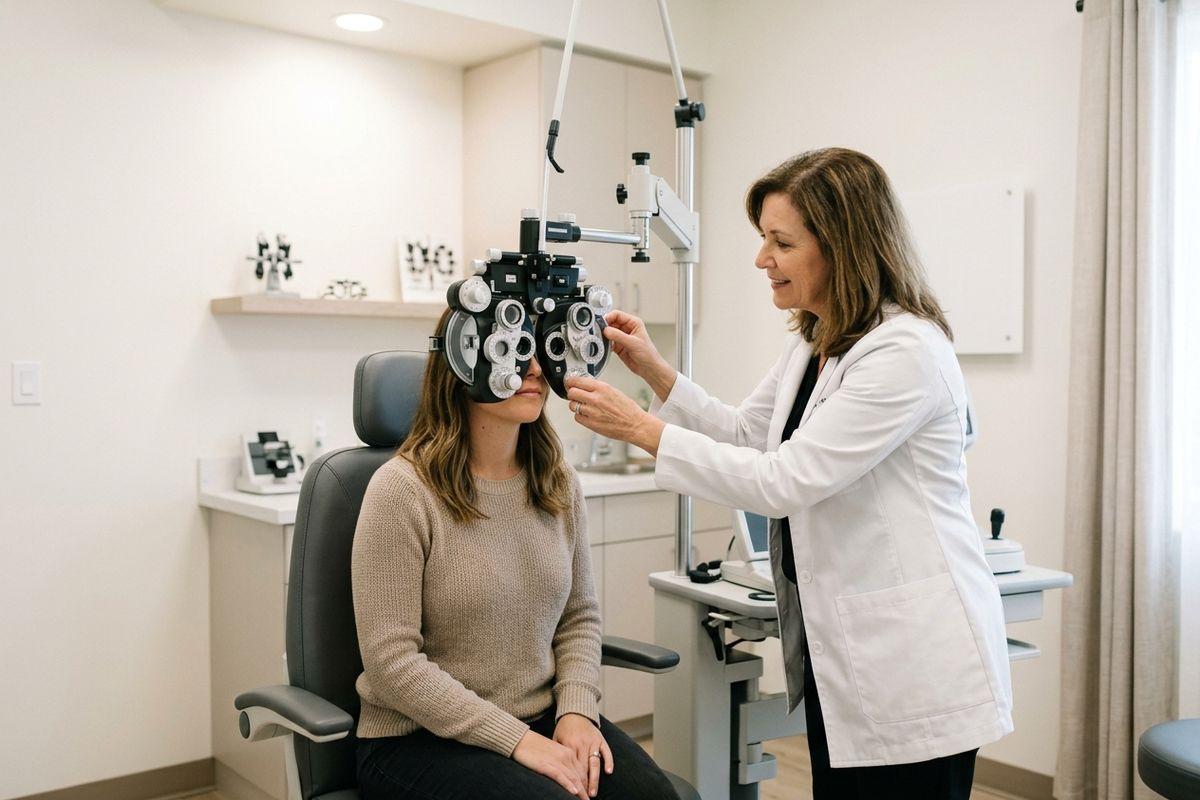
Because digital fatigue and underlying focusing issues can creep up gradually, routine comprehensive eye exams at Total Vision Camarillo are essential for catching these subtle strains before they begin disrupting your daily comfort.
The Link Between Your Eyes and Balance
Your eyes act as the primary navigation tool for your entire body.
They send a constant stream of position signals to your brain to help you stay upright. This complex system works smoothly when you feel rested.
Trouble can start when you push your vision too hard.
Tired eyes struggle to focus and may send mixed messages to your body. Your inner ear tells your brain you are sitting still in your office chair. Your exhausted eyes suggest random movement. These conflicting signals can create a sudden dizzy feeling that throws off your whole day.
Signs Your Dizziness Comes from Eye Strain
While dizziness can stem from many different sources in the body, visual fatigue leaves specific clues that help set it apart from ordinary tiredness. Pay attention to these common warning signs:
- Blurred vision and unsteadiness: Noticing your sight slipping out of focus right alongside a sudden sense of imbalance.
- Headaches and spinning: Feeling a throbbing ache behind your eyes accompanied by a mild spinning sensation after long periods of focus.
- Nausea from screen time: Developing queeziness or a heavy stomach after spending a couple of uninterrupted hours staring at a computer monitor.
How Long Does Visual Vertigo Last?
These uncomfortable episodes often fade after you rest your eyes.
A quick break allows your visual system to reset and settle down. You might feel normal after a good night of sleep in a dark room.
However, chronic eye fatigue can lead to daily dizzy spells.
Your symptoms might return every afternoon like clockwork. Proper vision correction can provide lasting relief for this daily discomfort. You can finish your workday without feeling like the floor is moving beneath your feet.
Main Sources of Visual Discomfort and Vertigo
Digital Devices and Screen Time
Modern technology demands intense, uninterrupted focus from your eyes. Whether you are scrolling through a phone or reading on a tablet, bright pixels and constant movement force your visual system to work overtime.
This hyper-focus changes your physical habits, too: your blink rate drops significantly when you are reading emails or watching videos, leading to a lack of moisture that quickly leaves your eyes feeling dry and irritated. Compounding the issue, trying to read small text in poorly lit rooms forces your eyes to strain just to gather enough light to see clearly, tiring out your visual system even faster.
Subtle Eye Misalignment
Sometimes your eyes struggle to work together as a synchronized team. This happens when the tiny muscles controlling your eye movements fall slightly out of sync, a subtle imbalance you would never notice just by looking in the mirror to brush your teeth.
Behind the scenes, however, your eyes are constantly working overtime to keep single, clear focus. This continuous muscle adjustment can lead to severe eye fatigue by the middle of the day. Because your visual system is working so hard just to keep things aligned, your brain can even misinterpret sensory signals, leaving you with a strange sensation of movement or unsteadiness while you are sitting completely still at your kitchen table.
Ways to Find Relief from Visual Dizziness
Simple Habits for Your Daily Routine
You can build simple practices into your day to protect your vision.
These small changes help keep your eyes relaxed and comfortable:
- For every 20 minutes of near work, look 20 feet away for 20 seconds.
- Adjust room lighting to reduce bright screen glare.
- Blink often as you work on digital screens.
Professional Care Options
Home habits provide a great starting point for visual comfort.
However, sometimes you need a little extra support to manage ongoing dizziness. An eye care professional can help identify hidden problems that rest alone may not resolve. Consider these options for your vision health:
- Update your current glasses or contact lens prescription.
- Ask your eye doctor about custom alignment lenses.
- Explore new lens technology designed for prolonged visual tasks.
Finding Relief
Dizziness can completely disrupt your daily routine, turning simple errands like navigating the grocery store aisles into a genuine challenge. If these swaying or unsteady sensations happen frequently, it is time to consider a professional evaluation.
During a comprehensive exam, our experienced team at Total Vision Camarillo goes beyond basic vision testing to evaluate your overall eye health, uncover underlying strains, and help restore your physical balance. Proactive, preventive care is the best way to keep your entire household comfortable and focused. Call the clinic today to schedule comprehensive eye exams for you and your family.