


You may feel pain in your jaw and wonder what could be causing it. Often called TMJ, temporomandibular joint disorder is sometimes caused by overactive muscles that help with chewing. Sometimes, the discomfort can spread to other areas of your head and face, creating a confusing mix of symptoms.
Yes, discomfort in your jaw can lead to symptoms in and around your eyes due to a complex network of shared nerves and muscles. At Total Vision Camarillo, we want you to understand the connection between TMJ and eye-related symptoms so that we can help you find a path to comfort.
The Connection Between Your Jaw and Eyes
Your face is a busy place, with muscles and nerves working closely together to help you talk, chew, and make expressions. The temporomandibular joint, which connects your jawbone to your skull, is right in the middle of this activity. When this joint becomes inflamed or stressed, it can cause referred pain.
Referred pain is when you feel discomfort in a different area from the actual source of the problem. Because the jaw joint is near major nerves that branch out across your head, TMJ-related tension can cause headaches and eye strain.
Common Eye-Related Symptoms
The symptoms of referred pain from TMJ can vary from person to person. If TMJ tension affects your eyes, you might experience a range of different sensations. You may notice feelings like:
- Discomfort or a feeling of pressure behind 1 or both eyes.
- Headaches that seem to center around your eyes or forehead.
- Blurred vision that comes and goes.
- Increased sensitivity to bright lights.
- Involuntary eye twitching or muscle spasms around the eye.
- Watery or teary eyes without an obvious cause.
How TMJ Can Affect Your Vision
It can be unsettling to experience changes in your vision, such as blurriness. While TMJ can contribute to symptoms like temporary blurred vision, it’s typically a temporary issue related to muscle strain and tension headaches. TMJ cannot impact the structure of the eye itself.
The constant strain on your facial and jaw muscles can make it more difficult for your eyes to focus properly, leading to moments of unclear vision. If you experience persistent or concerning vision issues, it’s a good idea to see an eye doctor to rule out other potential causes.
Address Eye Pressure from TMJ at Home
You can try a few simple techniques at home to help ease the discomfort associated with TMJ. These methods focus on relaxing the tense jaw and facial muscles. This relaxation can help reduce the referred pain you feel around your eyes and provide some much-needed relief.
Here are a few gentle approaches to try:
- Apply a warm compress: Learning how to apply a warm compress safely can help relax tight muscles. Place 1 on the side of your face and temple for 10–15 minutes.
- Perform gentle jaw stretches: Slowly open and close your mouth or gently move your jaw from side to side to help reduce stiffness.
- Practice mindful relaxation: Try deep breathing exercises, meditation, or even simple exercises for strained eyes to help lower your overall stress levels, which sometimes contribute to jaw clenching.
- Avoid hard or chewy foods: Stick to softer foods for a while to give your jaw a rest from the strain of excessive chewing.
Differentiate TMJ Pain and Eye Conditions
Sometimes, eye pain or vision changes are signs of a condition directly related to the eye itself, such as optic nerve damage. Unlike some TMJ-related symptoms that can stem from muscle tension, problems with the optic nerve involve the direct pathway of information from your eye to your brain.
The Role of the Optic Nerve
Think of your optic nerve as a wire that sends visual information from the back of your eye to your brain. Your brain then interprets these signals, which allows you to see the world around you. If this “wire” is damaged, the flow of information gets interrupted, which can affect your vision.
What Causes Optic Nerve Damage
Damage to the optic nerve is different from muscle strain. Common causes include elevated pressure inside the eye (a key factor in conditions like glaucoma) or a lack of sufficient blood flow to the nerve. Once damaged, these delicate nerve fibers don’t have much opportunity to heal on their own.
The Importance of an Eye Exam
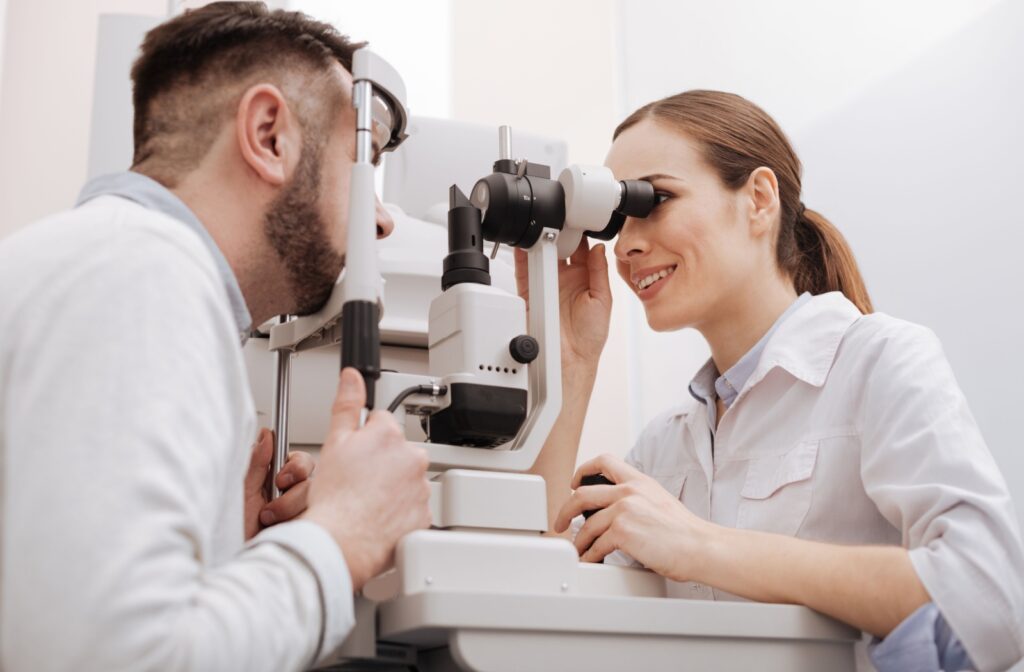
It’s not always easy to tell whether your eye pain is due to jaw tension or another health issue. A comprehensive eye exam is a straightforward way to get a clear picture of your eye health. This check-up allows an eye doctor to look beyond the surface-level symptoms.
We’d Love to See You
At Total Vision Camarillo, we can assess your vision, check the pressure inside your eyes, and carefully examine the back of your eye. This detailed evaluation helps distinguish between referred pain from TMJ and a condition that requires specific eye care.
We’re here to help you get the clarity you need for your family’s needs. Schedule an appointment with our team to take a detailed look at your vision and eye health.